
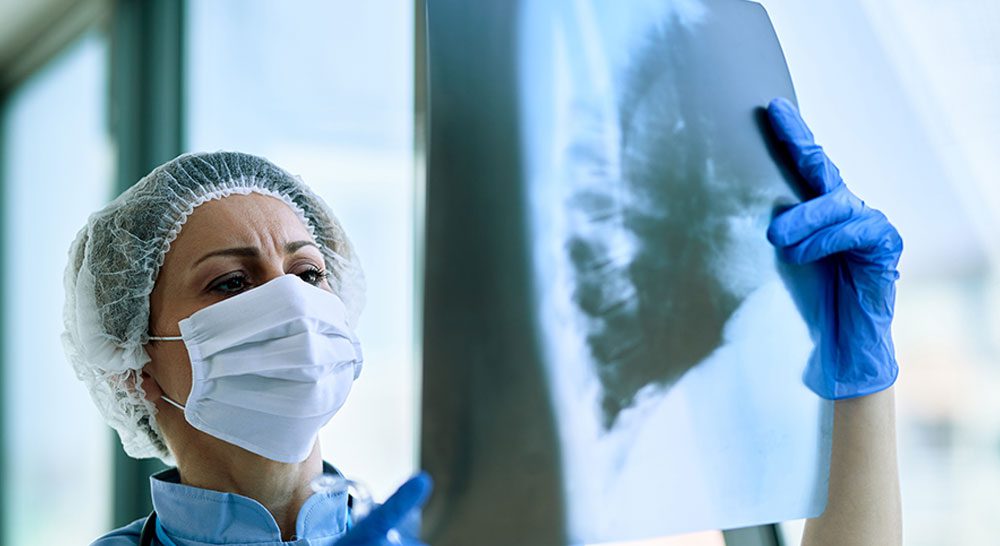
Cancer is the uncontrolled growth of abnormal cells. When cancer starts in the lungs, it is called lung cancer.
Typically, old or damaged cells die and new, normal cells (the building blocks that make up the tissue and organs in the body) take their place. But sometimes, the process goes wrong and abnormal cells start to grow. These cells crowd out the normal cells and form a mass of tissue called a tumour. Tumours can be benign, which means that they are noncancerous and not life threatening. Other times, tumours are cancerous (malignant) and can invade surrounding tissues or spread to other areas of the body.
The American Cancer Society (ACS) estimates that more than 234,000 new cases of lung cancer will be diagnosed and more than 154,000 patients will die from lung cancer in 2018. Lung cancer accounts for 27% of all cancer deaths and is the leading cause of cancer deaths among both men and women. Each year, more people die of lung cancer than colon, breast, and prostate cancers combined.
Lung cancer occurs mainly in older people. Two out of three people diagnosed with lung cancer are age 65 years or older. Most people who are diagnosed with lung cancer are current or former smokers. Younger people who have never smoked also can be diagnosed with lung cancer, though this is rare.
TYPES OF LUNG CANCER
Cancer in the lungs can be primary (originates in the lung) or can start in other organs and spread to the lungs. When cancers from other organs spread to the lungs, the tumours are called metastases.
The three main types of lung cancer are: Non-small-cell lung cancer (NSCLC), small cell lung cancer (SCLC), and lung carcinoid tumours.
Non-small-cell lung cancer (NSCLC)
The most common type of lung cancer is NSCLC, which accounts for about 83% of lung cancers. It is named non-small-cell lung cancer because, under a microscope, the cells are larger than small-cell lung cancer. While there are many types of NSCLC, the two most common types are adenocarcinoma and squamous cell carcinoma.
Small-cell lung cancer (SCLC)
About 13% of all lung cancers are SCLC, characterised by the appearance of small cells when seen under a microscope. This type of cancer is diagnosed almost exclusively in heavy smokers. It usually is treated with chemotherapy and radiation; however, surgery may be an option for small tumours that have not spread to the lymph nodes.
SCLC often starts in the bronchus (the airways of the lung), near the centre of the chest. It tends to spread quickly to the lymph nodes and other areas of the body.
Lung carcinoid tumor
Carcinoid tumours of the lung account for fewer than 5% of lung tumours. They are made up of neuroendocrine cells, which sometimes produce hormones. Most are slow-growing tumours and usually can be cured by surgery. Sometimes carcinoid tumours develop inside the airway and may require complex surgery to remove while sparing the lung tissue.
Cancers that spread to the lungs
Cancers that start in other organs of your body (like the colon or kidney) can sometimes spread (metastasize) to the lungs, but these are not true lung cancers. For example, cancer that starts in the colon and spreads to the lungs is still colon cancer; it has just spread to your lungs. Treatment for metastatic cancer to the lungs is based on where it started (the primary cancer site), the involvement of other areas of the body (such as the liver or brain), and the size, number, and location of the nodules. Metastatic tumours from certain cancers, like colon and kidney cancers, can be limited to the lung and removal can improve outcomes, whereas other cancers tend to spread widely throughout the body and should be treated with chemotherapy rather than surgery.
SYMPTOMS
Symptoms of lung cancer can affect the whole body. Any persistent, unusual, or unexplained symptom should be checked out by a doctor. A constant cough and shortness of breath are the most common. Everyone coughs sometimes, but a cough that persists—especially with other signs, such as blood in the mucus or unexplained pain—should always be checked out. However, many patients with lung cancer have no symptoms at all. Like all cancers, lung cancer is best treated when caught early.
Other common symptoms include:
- Coughing up blood
- Chest, shoulder, or back pain
- Voice changes, especially hoarseness
- Repeated lung infections (such as pneumonia or bronchitis)
- Difficulty swallowing
If lung cancer spreads beyond the lungs to other parts of the body, you may experience symptoms, including weakness, fatigue, unexplained weight loss, bone or joint pain, unexplained broken bones, headaches, blood clots or bleeding, unsteady movement or seizures, memory loss, and neck or face swelling.
If you are experiencing any symptoms that cause you to worry, make an appointment to see your doctor. You can expect your health care team to ask you many questions about your health. Not only will they take a full medical history, but they also will perform a thorough physical exam. Tests will be ordered to assess the cause of any symptoms you may be experiencing.